ACL Tear Rehab in Huntington
If you play or train, an ACL injury feels like the end of your season. It is not. A structured rehab plan is what separates a comeback from sitting out.
What causes ACL tears?
ACL tears happen in a split second, but they are rarely random. They come from the forces your knee cannot manage, the landing patterns it never learned to handle, and the muscles that do not yet support the sport you are asking them to play. Understanding what sets you up for injury is how we build you back stronger.
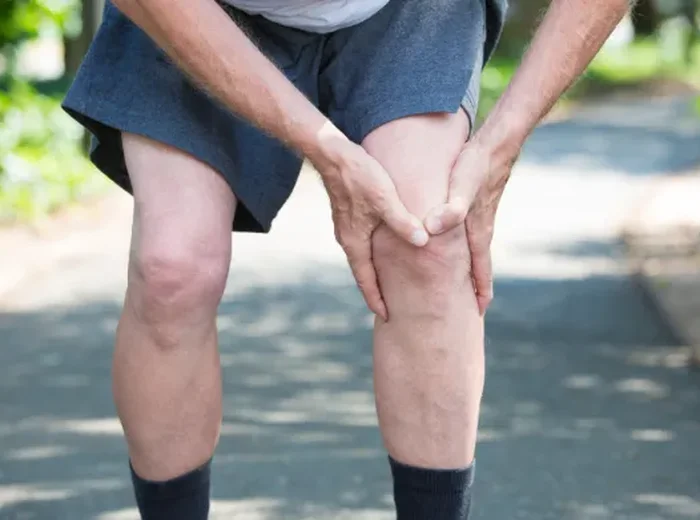
A hard plant of the foot followed by a quick change of direction sends a burst of rotational force through the knee, and the ACL is the ligament that absorbs it. Soccer, basketball, and football all load this exact movement repeatedly. When the muscles around the knee cannot control that rotation fast enough, the ligament takes the full hit and tears. It happens in a fraction of a second, often with no contact at all. Building strength and control around the knee is how you reduce how often that ligament has to do all the work.
Coming down from a jump with your knee straight, rotated, or collapsed inward puts enormous stress on the ACL the instant your foot hits the ground. Basketball, volleyball, and gymnastics all involve this kind of landing dozens of times a session. Good landing mechanics, bending at the hips and knees and absorbing force gradually, protect the ligament. Poor mechanics send that force directly through it instead. This is one of the more preventable causes of ACL injury, and it responds well to focused landing and jumping retraining.
Sometimes the cause is simple: a tackle, a collision, or a fall that strikes the knee from the side or drives it into an awkward position. This kind of contact injury can tear the ACL on its own or alongside other structures like the meniscus or MCL. Because the mechanism is different from a non-contact tear, the knee often needs a thorough evaluation to check for additional damage. Once surgery and healing allow it, rehab follows the same proven path back to strength and stability.
Younger athletes, especially during and after growth spurts, often have not yet built the muscle control that matches their speed and size. Their knees can buckle inward on landing or cutting because the hips and core have not learned to stabilize the joint yet. This is part of why ACL tears are so common in young, growing athletes. Neuromuscular training, teaching the body correct landing and cutting patterns before an injury happens, is one of the most effective tools for protecting a developing knee.
An ACL reconstruction rebuilds the ligament, but surgery alone does not rebuild the strength, motion, or control your knee needs to actually function. Without structured rehab, the graft can heal inside a knee that is still weak, stiff, and unstable, and that combination is exactly what leads to a second injury down the road. Rehab after reconstruction is not optional. It is what determines whether your surgery translates into a knee you can genuinely trust again.
Some ACL tears go untreated for months or years, and the knee learns to compensate by relying on the surrounding muscles instead of the ligament. That can work for a while, but it often leads to a knee that gives way unexpectedly, plus extra wear on the cartilage and meniscus from years of instability. It is never too late to address it. Targeted strengthening and stability training can restore real confidence in the knee, with or without surgery, depending on your goals.
How physical therapy in Huntington helps.
If surgery is ahead of you, the work often starts before you ever go under the knife. Prehab, building strength and range of motion in the weeks before reconstruction, gives your knee a stronger starting point and tends to shorten what comes after. Once surgery happens, recovery moves through clear phases. Early on, the focus is protecting the graft while calming swelling and restoring gentle motion. From there, we rebuild quad and hamstring strength, the muscles that share the load your ACL used to carry alone. Only once that foundation is solid do we move into agility, cutting, and jumping drills that mirror your sport. We will tell you honestly that this is a process measured in months, not weeks, because a knee that returns too early is a knee at risk of tearing again. Every session is one on one, so the plan adjusts to how your knee is actually responding, not to a fixed calendar.
What to expect from your recovery.
Evaluation and early protection
We assess your knee's stability, swelling, and range of motion, whether you are preparing for surgery or already recovering from reconstruction. Early sessions protect the healing graft while restoring gentle movement. You leave with a realistic roadmap for the months ahead, not a guessing game.
Strength and stability rebuilding
We rebuild the quad, hamstring, and hip strength that protects your knee, progressing resistance and balance work week over week. This phase takes the longest, and for good reason. It is what actually restores the stability your ligament used to provide, and it cannot be rushed without risking the graft.
Sport-specific return to play
As strength and control return, we add cutting, jumping, and sport-specific drills that mirror what you will face on the field or court. You return when your knee's control matches those demands, not on a fixed date on a calendar.
I am recovering from knee surgery and I could not imagine better care and concern than I have received at Universus Physical Therapy. Both Sarah and Chris have been patient and working hard to help me achieve my very best mobility.
Pain rarely travels alone.
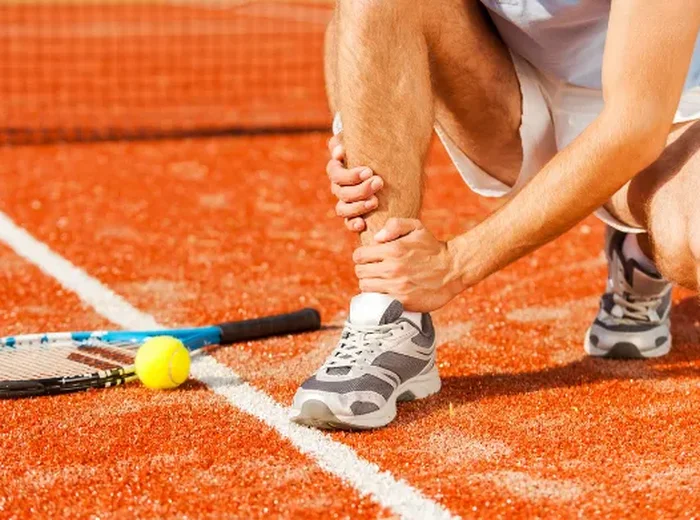
Sports Injuries
Whether it is a tackle, a fall, or overuse, sports injuries need sport-informed treatment. We get you back in the game.
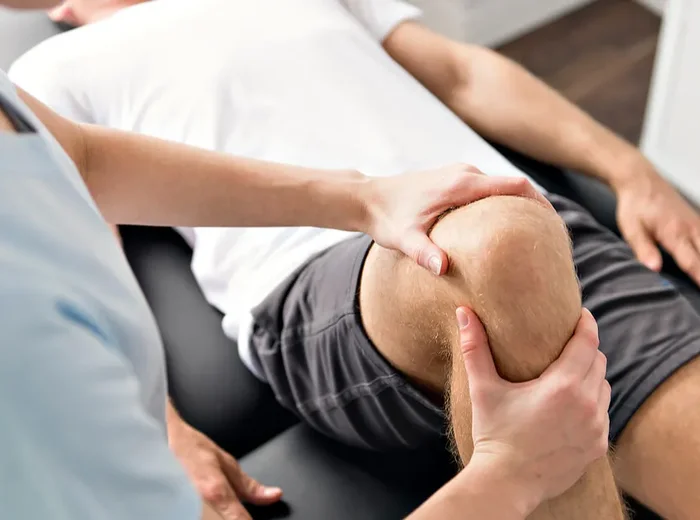
Hip & Knee Pain
Hip and knee injuries often go hand in hand. We treat the whole kinetic chain.
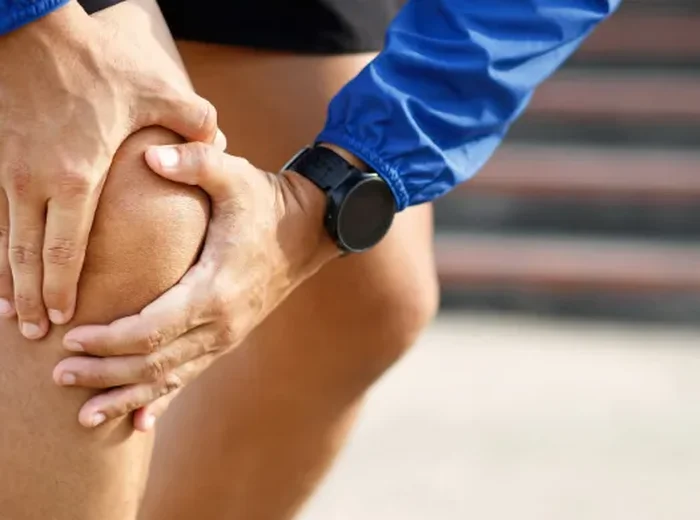
Joint Pain
Stiff, unstable joints limit what you can do. We restore mechanics and build strength.
Ready when you are.
Friday: 7:30am–5:30pm
Saturday: Closed
Sunday: Closed