Motor Vehicle Accident Treatment in Huntington
The accident is over, but your body is still keeping score. A stiff neck, an aching back, headaches that will not quit. One evaluation tells you exactly what is hurt and how to fix it.
What kinds of injuries follow a car accident?
A car accident does damage that does not always show up right away. The jolt of a collision strains muscles, joints, and nerves in ways an X-ray often misses. Knowing exactly what happened to your body is the first step toward treating it properly, not just waiting to see if it fades.
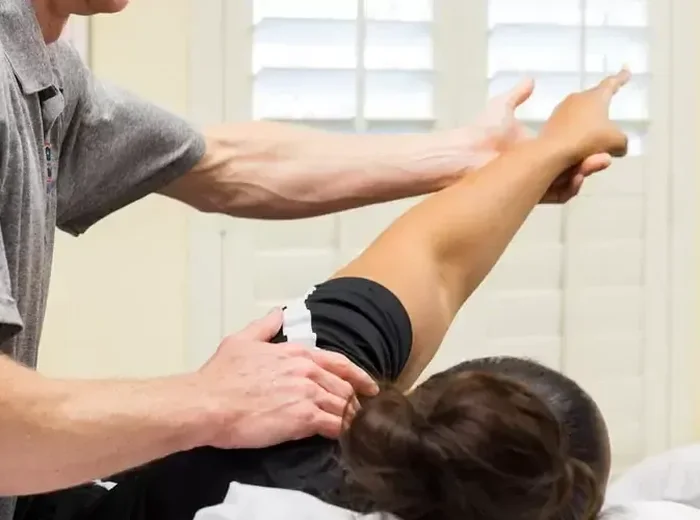
When your car stops suddenly, your head keeps moving before your neck catches up. That whip-like motion strains the muscles, ligaments, and joints of the cervical spine, even in low-speed collisions. The result is stiffness, a limited range of motion, and pain that often gets worse over the following day or two. Whiplash responds well to early, guided movement and manual therapy. Most people recover full motion and comfort well before it becomes a chronic problem.
Bracing for impact, or absorbing the force of a collision through your seat and seatbelt, puts real strain on the muscles and joints of your lower back. That strain can trigger pain, spasm, and a reluctance to bend or twist the way you used to. It is easy to dismiss as soreness that will pass, but untreated strain can linger for months. Targeted manual therapy and a graded return to movement usually resolve it well before that happens.
The seatbelt that protects you in a crash can also load the shoulder and chest wall hard enough to strain muscles, irritate the joint, or aggravate the rotator cuff. You might notice a dull ache reaching overhead, or sharp pain when reaching across your body. Because the shoulder is such a mobile joint, it needs a plan that restores strength and range of motion together. Most seatbelt-related shoulder pain improves steadily with the right hands-on care.
Headaches after a crash often start at the base of the skull and travel forward, driven by tight, irritated muscles and joints in the neck rather than anything happening inside your head. When the cervical spine takes the force of an accident, it is common for tension to radiate upward for days or weeks afterward. Addressing the neck directly, rather than just treating the headache symptom, is usually what finally makes them stop returning.
Ligaments, muscles, and tendons do not show up on a standard X-ray, even when they have been genuinely injured in a collision. That is why so many accident patients hear that everything looks normal and are still in real pain. Soft tissue injuries are diagnosed through a hands-on movement exam, not imaging. Once we know exactly which tissue is compromised, we can build a plan that addresses it instead of leaving you to just wait it out.
Adrenaline and shock can mask pain in the hours right after a crash, which is why so many people feel fine at the scene and then wake up stiff and sore two or three days later. Inflammation takes time to build, and some injuries only become noticeable once the initial shock wears off. If new pain shows up days after your accident, it does not mean it is less real or less worth treating. An evaluation now still catches it early.
How physical therapy in Huntington helps.
A car accident does not come with a manual, so your first visit starts with a full evaluation, head to toe, that maps every area the crash affected: whiplash, back strain, shoulder pain, headaches, all of it. From there, hands-on manual therapy and targeted, gentle movement calm the irritated tissues and start restoring the motion the accident took away. As the pain settles, the plan shifts to rebuilding strength and control so your neck, back, and shoulder can handle daily life again without protecting themselves. Every session is one on one, and your therapist documents your progress along the way, which supports whatever else you need to sort out after an accident. Most people see steady, honest progress within the first several weeks, not overnight, but real. The goal is not just quieting today's pain. It is getting you back to moving the way you did before the accident happened.
What to expect from your recovery.
Full-body evaluation
Your first visit maps every area the accident affected, neck, back, shoulder, and head, so nothing gets missed. We test your movement, identify what is driving each symptom, and rule out anything that needs outside referral. You leave with a clear picture and an honest plan.
Hands-on relief
Manual therapy and gentle, targeted movement calm inflamed tissue and start restoring the motion the accident took from you. This phase is about getting your neck, back, and shoulder moving comfortably again, without pushing through pain that is not ready for it.
Rebuilding strength
As symptoms settle, we rebuild the strength and control your body needs to handle daily life again. Progressive exercise retrains the muscles that absorbed the impact, so you are not left vulnerable to the same pain resurfacing months down the line.
The care shown by the therapists and front desk is outstanding. Their patience and understanding is unique. I have been to other physical therapists and have never experienced the dedication to patients that I found at Universus in Huntington. I highly recommend them.
Pain rarely travels alone.
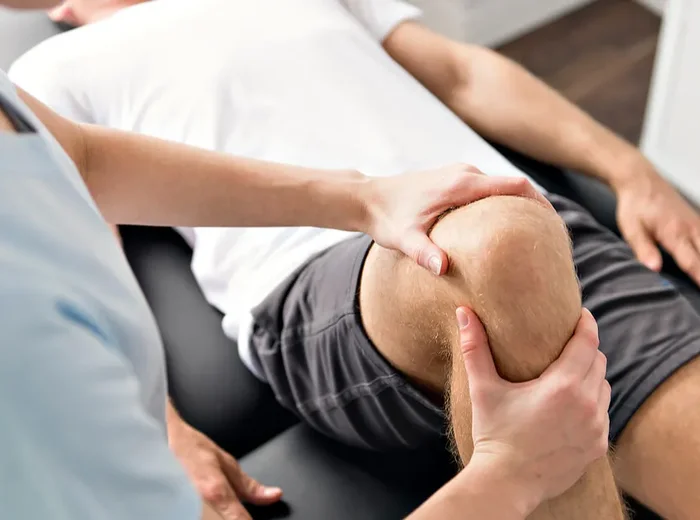
Hip & Knee Pain
When the hips and knees stop sharing load well, the low back often takes the hit. We treat the whole chain.

Joint Pain
Stiff, aching joints that limit your day. We restore the mechanics first, then build the strength.

Headaches
Tension that starts in the neck and spine can drive stubborn headaches. Relief starts with the source.
Ready when you are.
Friday: 7:30am–5:30pm
Saturday: Closed
Sunday: Closed