Parkinson's Treatment in Huntington
Movement does not feel the way it used to, and that is real. Parkinson's changes how your body responds, but the right care can help you keep doing what matters to you for as long as possible.
How Parkinson's affects movement.
Parkinson's affects the brain's ability to coordinate smooth, automatic movement, and everyone experiences that differently. Understanding exactly how it is showing up for you, whether that is slowness, stiffness, or balance changes, is what allows us to build a plan that actually supports the way you move through your day.

Bradykinesia is the medical term for the slowness of movement that is often one of the first things people notice. Tasks that used to be automatic, like buttoning a shirt or standing up from a chair, start taking more conscious effort and more time. This happens because the brain's signals for initiating and sustaining movement do not fire as efficiently. Exercise that trains big, deliberate movement patterns has been shown to support how the body responds, helping tasks feel more manageable again.
Many people with Parkinson's notice increasing stiffness through the limbs and trunk, a resistance to movement that can make simple things like rolling over in bed or reaching for something feel effortful. This rigidity comes from changes in how muscles receive signals to relax, not from the muscles themselves being weak. Regular mobility work and stretching help manage that stiffness and keep daily movement more comfortable over time.
Balance and walking pattern often shift gradually: smaller steps, a more shuffling gait, and less automatic correction when you are thrown off balance. These changes are a major reason falls become more of a concern. Balance training and gait-focused exercise are some of the most well-supported ways to address this directly, helping build the reactions and strength that reduce fall risk and support safer, more confident movement.
You may notice one or both arms swing less when you walk, or that your steps have gotten shorter and quicker. Some people also experience freezing episodes, moments where the feet feel stuck to the floor, especially when starting to walk, turning, or moving through a doorway. Specific cueing strategies and gait training can help interrupt freezing episodes and encourage bigger, more confident steps.
A stooped or forward-leaning posture is common as Parkinson's progresses, developing gradually as trunk muscles and reflexes change. Left unaddressed, this can affect balance and breathing over time. Targeted strengthening and postural exercises will not reverse every change, but they help you maintain the most upright, functional posture available to you for as long as possible.
No two people experience Parkinson's the same way, or at the same pace. Some symptoms may be more prominent early on, others may take years to appear, and the rate of change varies widely from person to person. That is exactly why care needs to be reassessed regularly rather than following a fixed plan. What you need from physical therapy today may look different a year from now, and your plan should keep pace with you.
How physical therapy in Huntington helps.
Physical therapy will not slow or reverse Parkinson's, but it can make a real difference in how you move through each day and how much independence you hold onto over time. Care starts with a full assessment of your current strength, balance, and gait, so your therapist understands exactly how the condition is showing up for you right now. From there, the plan centers on exercise-based approaches built around big, deliberate movements, the kind of training shown to support mobility and coordination, alongside balance and gait work specifically aimed at reducing fall risk. As your needs change, and they will, your plan is reassessed and adjusted rather than left static. This is not a one-time fix. It is ongoing, one-on-one care focused on helping you keep doing the daily tasks and activities that matter most to you, for as long as that is possible.
What to expect from your care.
Baseline assessment
Your first visit establishes a clear picture of your current strength, balance, gait, and movement patterns. This baseline is what lets us track change accurately over time and build a plan around where you are today, not a generic Parkinson's protocol.
Building a movement plan
We build an exercise program centered on big, deliberate movement and balance training, the kind of work shown to support mobility and reduce fall risk. Sessions are one on one, so the plan adjusts to how you are responding week to week.
Staying ahead of changes
Parkinson's changes over time, so your care does too. Regular reassessment means we catch shifts in balance, strength, or gait early and adjust your plan before small changes become bigger problems.
I had a truly outstanding experience with my physical therapists and the entire team at Universus PT. From the moment I walked in, the front desk staff were welcoming, professional, and always ready with a smile. They made scheduling easy and convenient.
Pain rarely travels alone.
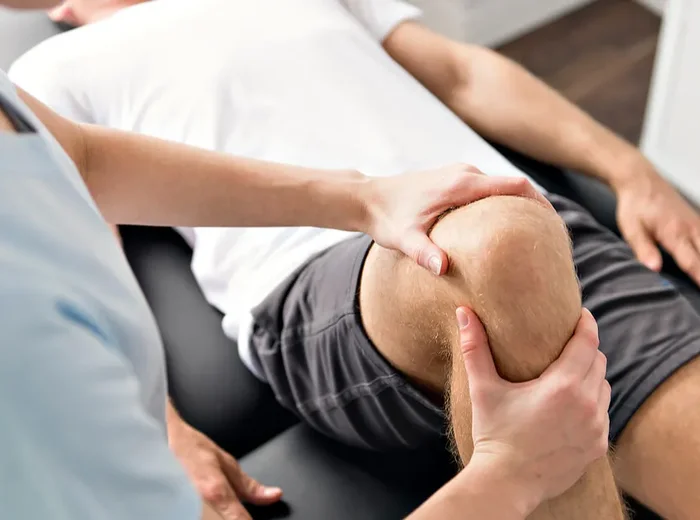
Hip & Knee Pain
When the hips and knees stop sharing load well, the low back often takes the hit. We treat the whole chain.

Joint Pain
Stiff, aching joints that limit your day. We restore the mechanics first, then build the strength.

Headaches
Tension that starts in the neck and spine can drive stubborn headaches. Relief starts with the source.
Ready when you are.
Friday: 7:15am–6:30pm
Saturday: 8:00am–2:45pm
Sunday: Closed