Plantar Fasciitis Treatment in Huntington
That first step out of bed still catches you off guard. You have rested it, stretched it, tried the inserts. If your heel is still calling the shots, one evaluation is where that finally changes.
What causes plantar fasciitis?
Plantar fasciitis develops when the band of tissue along the bottom of your foot gets overloaded faster than it can recover. It rarely comes from one bad day. It builds from how you stand, walk, and move over weeks or months. Finding your specific driver is what makes treatment actually stick.
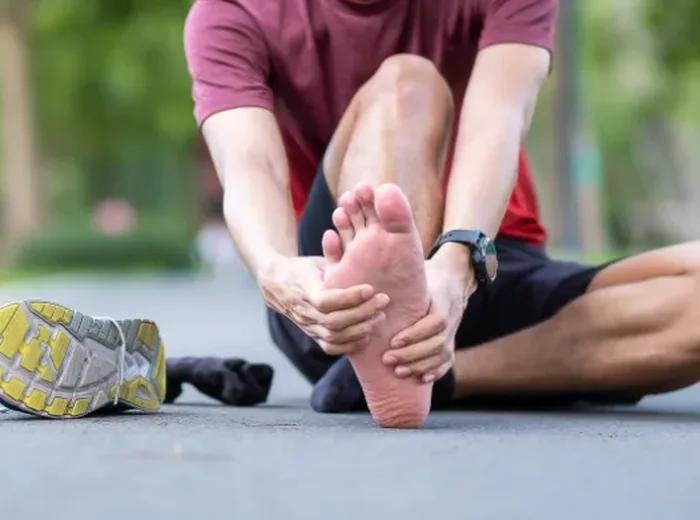
Jobs and routines that keep you on your feet for hours, whether standing at a counter, walking a delivery route, or logging miles running, load the plantar fascia repeatedly without much recovery time in between. Over weeks, that repeated strain outpaces the tissue's ability to heal, and the classic sharp heel pain sets in. Manual therapy and a graded loading program help the tissue rebuild its tolerance instead of just resting until it flares again.
Tightness through the calf and Achilles tendon increases the pull on the plantar fascia every time your heel lifts off the ground while walking or running. Most people never think to look above the foot for the source of foot pain, but calf flexibility plays a direct role in how much strain the fascia absorbs with every step. Targeted stretching and manual therapy to the calf often relieve heel pain faster than working on the foot alone.
Shoes with little arch support or cushioning let the plantar fascia absorb more shock and stretch than it is built to handle with each step. This adds up fast for people on their feet most of the day. Footwear is not a cure on its own, but the right support paired with targeted treatment removes one of the ongoing stressors keeping your heel pain from settling.
Ramping up mileage, standing hours, or a new fitness routine faster than your feet can adapt is one of the most common ways plantar fasciitis starts. The tissue simply has not had time to build the tolerance the new demand requires. Understanding your recent activity changes helps us build a return-to-activity plan that gets you back to what you love without the same overload happening twice.
The shape of your arch changes how forces travel through your foot with every step. Flat feet tend to overstretch the plantar fascia, while high arches concentrate pressure on the heel and ball of the foot. Neither is a guarantee of pain, but both mean your foot mechanics deserve a closer look. Addressing how you load your foot, not just treating the pain spot, is what prevents this from becoming a repeat problem.
Plantar fasciitis often develops slowly, small amounts of extra stress on the heel adding up over weeks or months until the tissue finally protests. That gradual build means the fix is rarely instant either, but it is reliable. Consistent, targeted care that addresses the accumulated load, not a quick fix, is what gets most people back to walking without thinking about their heel.
How physical therapy in Huntington helps.
Plantar fasciitis is stubborn, but it is also one of the more predictably treatable conditions we see, and most cases improve significantly with consistent, targeted care. Your evaluation looks at the whole picture: foot mechanics, calf flexibility, gait pattern, and footwear, so we understand exactly what is loading your plantar fascia beyond capacity. Early treatment focuses on hands-on manual therapy to the calf and plantar fascia itself, calming the sharp pain that makes those first steps out of bed so miserable. From there, targeted stretching and strengthening for the foot and ankle rebuild the tissue's tolerance for standing, walking, and running again, paired with practical guidance on footwear and activity pacing so the same overload does not creep back in. Every session is one on one, adjusted to how your foot is responding. The goal is a heel that stops being the first thing you think about every morning.
What to expect from your recovery.
Evaluation
Your first visit examines your foot mechanics, calf flexibility, and gait to find exactly what is overloading your plantar fascia. You leave with a clear explanation of the cause and an honest timeline for relief.
Hands-on relief
Manual therapy to the calf and plantar fascia calms the sharp, first-step pain, while targeted mobility work starts restoring normal movement through your foot and ankle.
Rebuilding tolerance
Progressive strengthening for the foot and ankle rebuilds the tissue's capacity to handle standing, walking, and running, so the pain does not resurface the moment you go back to your normal routine.
Universus is the best PT around. One PT per client. Medical massages and printed exercises to take home. Everyone is friendly and knows their stuff. Clean and courteous.
Pain rarely travels alone.
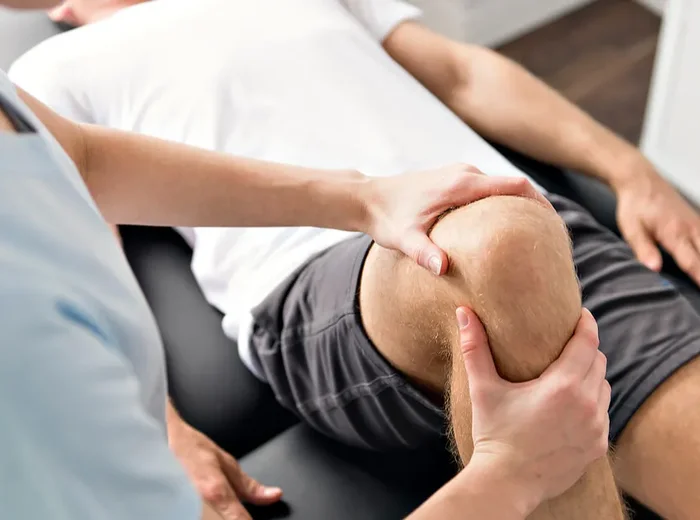
Hip & Knee Pain
When the hips and knees stop sharing load well, the low back often takes the hit. We treat the whole chain.

Joint Pain
Stiff, aching joints that limit your day. We restore the mechanics first, then build the strength.

Headaches
Tension that starts in the neck and spine can drive stubborn headaches. Relief starts with the source.
Ready when you are.
Friday: 7:30am–5:30pm
Saturday: Closed
Sunday: Closed