Stroke Treatment in Huntington
A stroke changes what your body can do seemingly overnight, but it does not have to define what your future looks like. Working alongside your medical team, one evaluation maps out a clear, realistic path back toward moving, walking, and living with more independence.
How a stroke affects movement and function.
A stroke affects the brain's ability to signal muscles the way it used to, and everyone's recovery looks different depending on where and how significant the event was. Physical therapy will not reverse the stroke itself, but it gives your body a structured way to relearn movement, rebuild strength, and regain as much independence as possible.
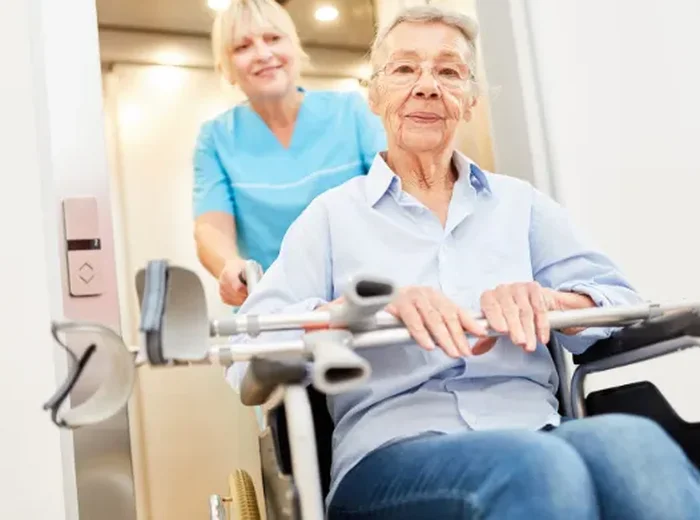
A stroke often damages the area of the brain that controls movement on one side, leaving that arm, leg, or both noticeably weaker or harder to control. This is one of the most common effects of stroke, and it is also one of the most responsive to therapy. Task-specific exercise helps the brain and body relearn how to activate those muscles, and many people regain meaningful strength and control with consistent, guided practice.
Stroke can disrupt the signals your brain uses to keep you upright and coordinated, making you feel unsteady on your feet or unsure moving around furniture and stairs. That unsteadiness is a leading reason falls become a real concern after stroke. Balance training rebuilds your body's confidence and control in a safe, supervised setting, so you can move through your home and community with less fear of falling.
Many stroke survivors develop spasticity, a tightness or stiffness in the affected arm or leg caused by changes in how the brain and muscles communicate. It can make movement feel effortful or awkward and interfere with daily tasks. Stretching, positioning, and targeted movement help manage spasticity and keep the joint and muscle from losing further range, so functional movement stays within reach.
A stroke can change how your leg swings, how your foot lands, or how evenly you shift your weight when you walk, sometimes described as dragging a foot or leaning to one side. These changes affect safety and energy, since an inefficient gait tires you out faster. Gait training rebuilds a safer, more efficient walking pattern step by step, often with real, visible progress along the way.
Tasks that used to be automatic, buttoning a shirt, holding a cup, writing your name, can become frustrating and difficult after a stroke affects hand and finger control. Fine motor recovery tends to be slower and more gradual than large muscle recovery, and progress is measured in small, meaningful wins. Repetitive, task-specific practice is the most effective way to help the hand relearn coordinated movement.
Fatigue after a stroke is real and often underestimated. The brain is working harder to do things that used to happen automatically, and that takes energy. Recovery also rarely moves in a straight line, with progress that can come in waves and plateaus in between. A well-paced therapy plan respects your energy and your timeline, building steadily without pushing you past what your body is ready for.
How physical therapy in Huntington helps.
Stroke recovery is not something you go through alone, and physical therapy works alongside your neurologist and medical team, not in place of them. Early on, the focus is on safe, functional movement: helping you sit, stand, transfer, and move with more confidence and less risk of falling. As you progress, sessions shift toward task-specific retraining that helps your brain and body relearn coordinated movement, whether that is walking further, using your affected arm more, or managing stairs at home. Every plan is one-on-one and built around where you are today, not a generic checklist. We measure progress honestly, celebrate the gains that matter to your daily life, and adjust the plan as your needs change. Physical therapy cannot undo a stroke, but it gives you a structured, supported path toward moving better, doing more for yourself, and reclaiming as much independence as possible.
What to expect from your recovery.
Functional Assessment
We evaluate your strength, balance, coordination, and movement patterns on both sides of your body. We talk with you about your goals, whatever they are, and coordinate with your neurologist or medical team as needed. You leave with a clear, honest picture of where you are and what a realistic path forward looks like.
Task-Specific Retraining
We work on the movements that matter most to your daily life: standing, transferring, walking, and using your affected arm. Each session is hands-on and one-on-one, meeting you exactly where you are that day. Small, consistent wins build toward bigger functional gains over time.
Building Independence
As function improves, we progress your strength, balance, and endurance to support real-world independence, at home, in the community, and beyond. We track your progress honestly and adjust the plan as you grow. Every gain, however small it may seem, moves you toward doing more for yourself.
Universus is the most ideal physical therapy clinic I have ever attended. I am impressed with all of it starting with the entrance. The helpers at the front desk are at the ready to take care of a problem big or not so big. The gym is well equipped and clean.
Pain rarely travels alone.
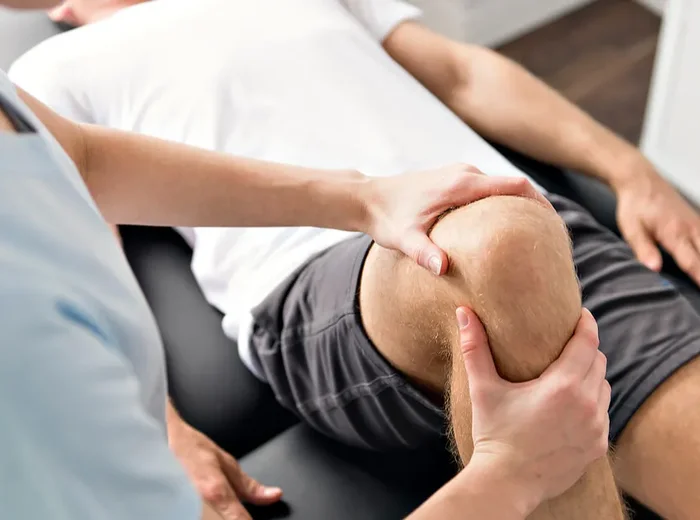
Hip & Knee Pain
When the hips and knees stop sharing load well, the low back often takes the hit. We treat the whole chain.
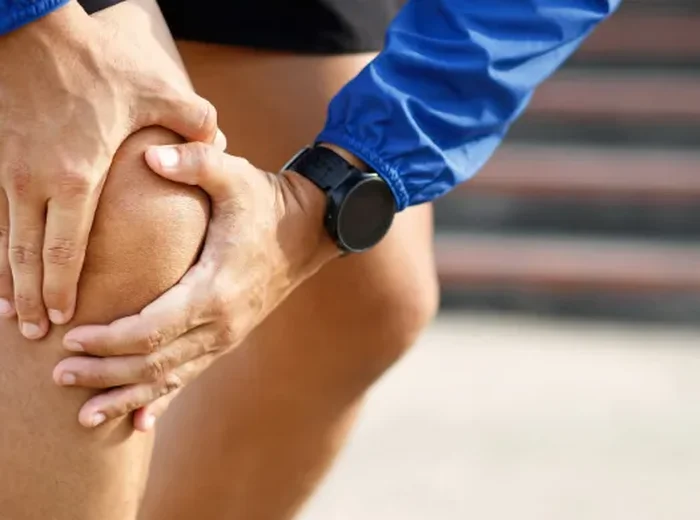
Joint Pain
Stiff, aching joints that limit your day. We restore the mechanics first, then build the strength.
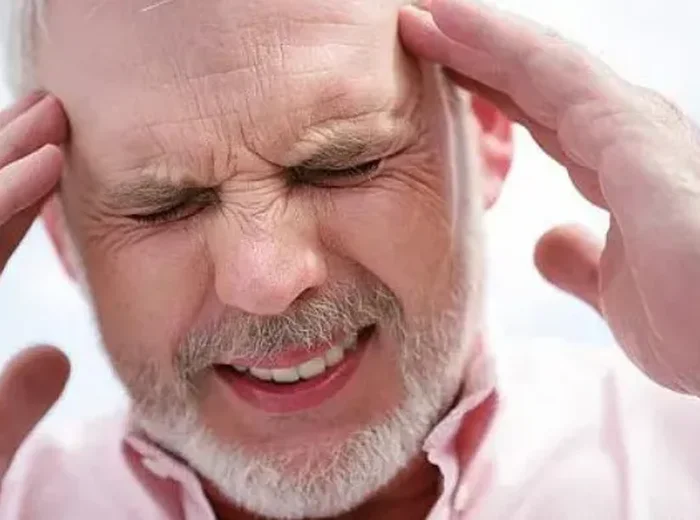
Headaches
Tension that starts in the neck and spine can drive stubborn headaches. Relief starts with the source.
Ready when you are.
Friday: 7:30am–5:30pm
Saturday: Closed
Sunday: Closed