Tendinitis Treatment in Huntington
Tennis elbow, jumper's knee, Achilles pain, however it shows up, tendinitis makes the activities you love hurt more each time you try. One evaluation builds the loading plan that calms it down and keeps it from coming back.
What causes tendinitis?
Tendinitis develops when a tendon is asked to handle more stress than it can currently tolerate, whether from a sudden spike in activity, poor mechanics, or simple wear over time. It is rarely about one bad moment. Understanding what overloaded the tendon is what makes the difference between temporary relief and a lasting fix.

Tendons like the ones at the elbow, knee, and Achilles are built to handle repeated load, but the same motion done over and over, swinging a racquet, jumping, running, eventually outpaces the tendon's ability to recover between sessions. Micro-damage accumulates faster than it heals, and pain sets in. The fix is not simply stopping the activity. It is teaching the tendon to tolerate the load again through the right kind of progressive exercise.
Ramping up mileage, weight, or intensity faster than your tendons can adapt is one of the most common ways tendinitis starts. Tendons adapt more slowly than muscles do, so a training jump that feels fine for a week or two can catch up with you. Building load back gradually, rather than jumping straight back in, is what lets the tendon adapt without breaking down again.
The way you move, whether it is your throwing motion, your running stride, or how your foot strikes the ground, determines how evenly a tendon shares load. When mechanics are off, certain tendons end up absorbing more stress than they were built for. Correcting the underlying movement pattern takes pressure off the irritated tendon and helps prevent the problem from returning once it heals.
Tendons naturally lose some of their elasticity and blood supply as we age, making them less resilient to the loads they used to handle easily. This does not mean pain is inevitable. It means tendons benefit from a more deliberate, progressive strengthening approach as we get older, one that respects the tendon's slower adaptation and rebuilds its capacity over time.
Tendons need time between sessions to repair the microscopic damage that comes from normal use. Training or working through pain, or stacking hard days back to back without rest, does not allow that repair to catch up. Building recovery time into your routine, alongside the right loading program, gives the tendon the chance to actually get stronger instead of staying irritated.
When the muscles around a joint are not strong enough to share the workload, the tendon ends up compensating and absorbing forces it was not designed to handle alone. This is common at the shoulder, knee, and ankle. Strengthening the surrounding muscle groups takes the extra load off the tendon and is one of the most reliable ways to resolve tendinitis for good.
How physical therapy in Huntington helps.
Tendinitis responds well to the right plan, but that plan has to match where the tendon is in its healing process. Early on, hands-on techniques and modalities calm the irritation and reduce pain so you can move more comfortably day to day. From there, the real work begins: a progressive loading program, which is the proven way to rebuild a tendon's strength and resilience, not rest alone. Resting completely often leaves the tendon weaker and just as vulnerable once you return to activity. Your therapist also looks at what caused the overload in the first place, whether that is mechanics, training load, or a strength deficit elsewhere, and addresses it directly so the problem does not just come back. Every session is one-on-one, and the plan is adjusted as your tendon tolerates more. The outlook for tendinitis is genuinely good: most people return fully to the activity that caused it, just with a tendon better prepared to handle it.
What to expect from your recovery.
Tendon Assessment
We identify which tendon is involved and what triggered the overload, whether it is training habits, mechanics, or muscle weakness elsewhere. We test strength, movement, and irritability to understand exactly where your tendon is in the healing process, and set a realistic plan from there.
Calming the Irritation
We use hands-on techniques and gentle, tolerable loading to bring down pain and irritation. This phase is about giving the tendon room to settle without losing the strength and mobility around it.
Progressive Loading
We build the tendon's strength and capacity step by step through progressive exercise, the proven way tendons get stronger. We guide your return to the activity that caused the pain, so you go back to it with a tendon ready to handle it.
Very knowledgeable therapists, utilizing techniques that lend to success in alleviating pain and increasing range of motion. Gianna worked with me in preparation for surgery (ACDF) and once I am cleared I will be returning.
Pain rarely travels alone.
Hip & Knee Pain
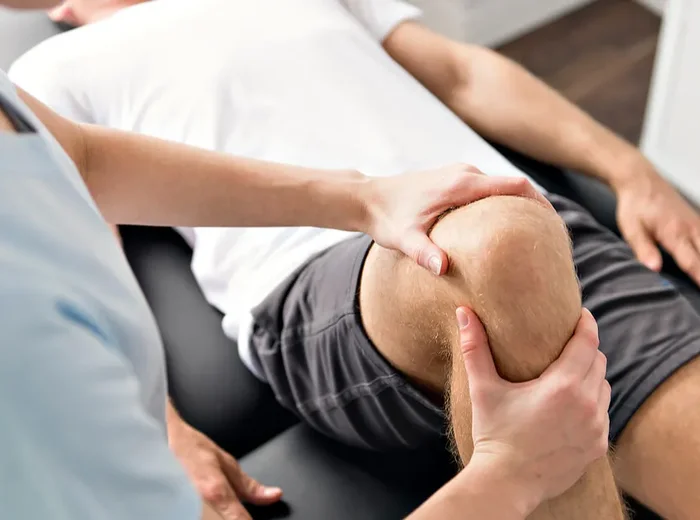
When the hips and knees stop sharing load well, the low back often takes the hit. We treat the whole chain.

Joint Pain
Stiff, aching joints that limit your day. We restore the mechanics first, then build the strength.

Headaches
Tension that starts in the neck and spine can drive stubborn headaches. Relief starts with the source.
Ready when you are.
Friday: 7:15am–6:30pm
Saturday: 8:00am–2:45pm
Sunday: Closed